


Vlastislav Němec
I was born in 1922 in Hrdá Ves in Vysočina region. The family of my mother Vincencie had lived here for some generations, she was the oldest of several children and was still unmarried at the age of forty when she married my father. She was a herbalist and would gather fruits and leaves from the forest in the summer and make brews for sick people.
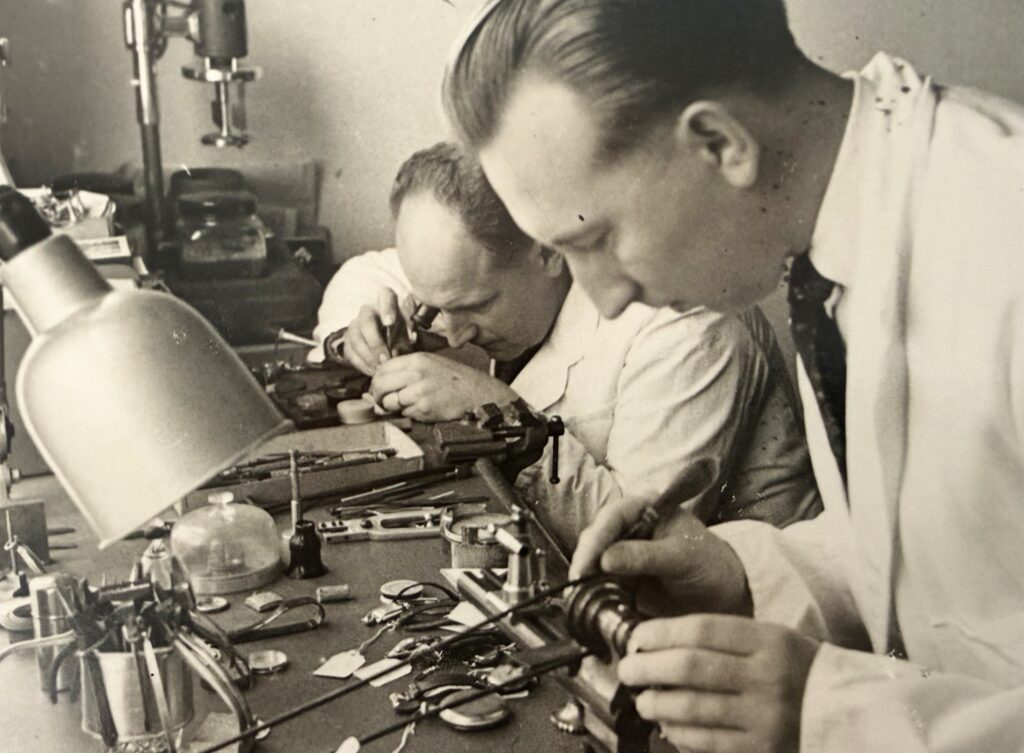
My father Jan Nemec worked in the neighbouring village of Vír as the manager of a textile mill owned by a Jewish man. Father was provided with a company house in Vír but he also owned an apartment in Brno. We spent our time between both places until I was enrolled in school in Brno at the age of five, I remember going with my father to Vienna when he started travelling for the company. I went to school in Brno, later I also attended the gymnázium. At the age of seventeen, I expected to sit my leaving exam in 1939. However, my hope for a medical career became just a dream. In November, students began a series of demonstrations against the Nazis who responded by closing universities and all young people were at risk. Instead of university, my mother’s uncle, offered me an apprenticeship as a watchmaker in Brno. It was a technical job, but I used my maths and physics training from studying at the gymnázium. It was a horror time as many of the textile employees in Vir and Brno were Jewish and I remember them being taken away. It was terrible for my father to see his lifelong colleagues disappear and the business disintegrate under German bosses. They sold their apartment and returned to Vir. My mother died shortly after the war ended and my father died a few years later.
One of my message deliveries was to a group of men who were about to blow up a railway bridge near Vir
My early career in what became the resistance started in 1935 when I was thirteen, I joined the junior division of the Socialist party of Czechoslovakia. When the Nazis occupied the country, the party became illegal and declared subversive. At this stage, I was living in Brno, where several party members formed a sports club for hiking, skiing, cycling; all activities, which allowed us extended and unrestricted travel on overcrowded trains in a wide area. Under these circumstances, I gained considerable knowledge of the countryside north of Brno. One day, the chairman of our club, who knew my knowledge of the German language was good, asked me to meet him for a drink. In a very casual way, he suggested I was to join a resistance group and meet some new people known only by their first names in central Brno. My assignment was with the communication division, and my job was to take messages to groups of men situated in some of the small villages north of Brno, which I knew so well.
One of my message deliveries was to a group of men who were about to blow up a railway bridge near Vir. The plan was to destroy a train carrying ammunition and troops to the Balkan, but the mission failed because of a premature explosion before the train arrived. Hundreds of troops began hunting for the partisans, and shot them all. Fortunately for me, I was on my way back on bicycle to Brno, in the opposite direction. In the darkness on a narrow forest path, it was a nightmare. I was stopped for questioning, but I told them I was just heading home and somehow, they believed me and released me. Afterwards, learning the result of the tragedy I was devastated. I knew all those young men, and it was like losing my brothers. I was temporarily released from duty and resumed my interrupted watchmaking apprenticeship.
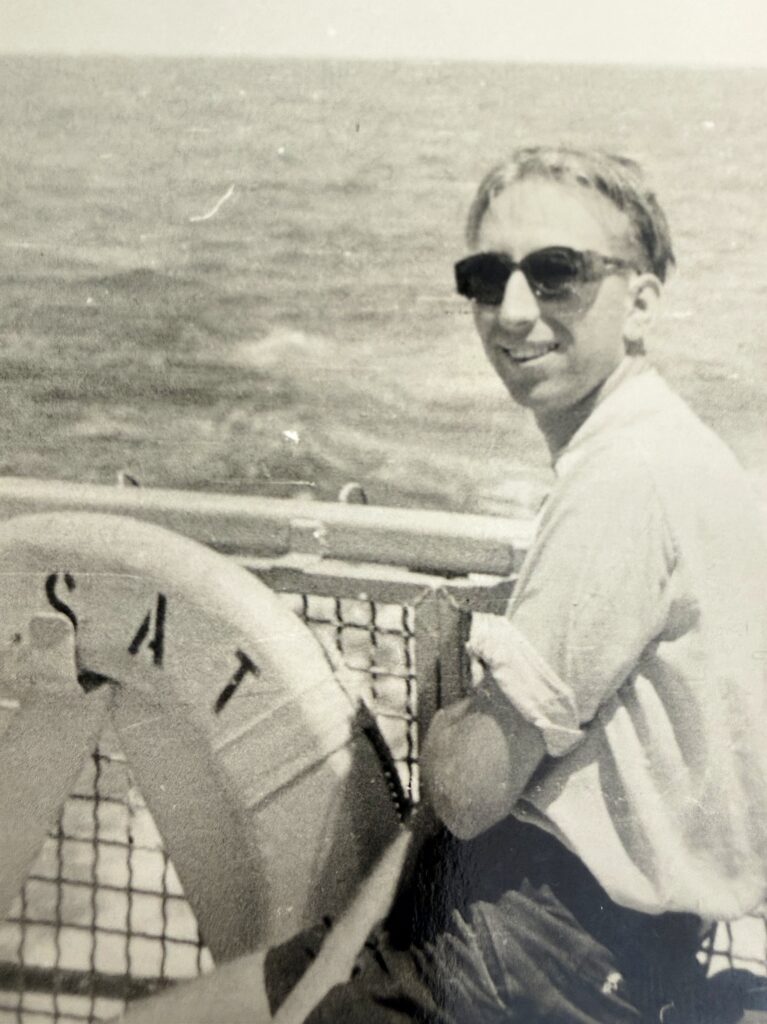
In April 1942, I was asked to join the communication division in Prague, but my mental state was still very weak. After the assassination of Heydrich, many people were arrested, including myself. The police transported me to the custody in Brno. The trial never came as my family and relatives, with the help of well-known barristers bribed a high-ranking police officer, and I was eventually released, but I was on the blacklist. After a few months, I was asked to volunteer several times to go across to Austria and then to Switzerland with messages for the Czechoslovak exile government in London. The letters were always coded as a love letter, or a poem or a job application. I was always met by a guide somewhere near the border and I would be taken through the forests or areas where there was either no border security, or it was very limited. Once I finally was in Switzerland messages could be sent and received between the resistance and the exile government in London about Nazi activities in the Protectorate. The British government, promised that I would get paid for my risky service at the end of the war.
Between each assignment I would return to my regular day job. However, as the war progressed, I could not concentrate on anything, I was mentally exhausted and fearful. I got so depressed that my family put me into a sanatorium where I was under observation but safe. In the beginning of 1945 when the red army was advancing rapidly towards Brno, I was, along with most patients released and taken to a partisan group. My memory of any fighting is very vague as I was like in a daze. I must’ve done something brave as I was awarded the rank of Lance Corporal and received a ribbon after the war. I also never received any payment from the British. I felt bitter about that.
I became very disillusioned with political development after the war and made up my mind to leave the country with a view to never return. In 1946, I left for Switzerland, where I worked in Basel as a watchmaker and gained invaluable experience in what was then a very prestigious trade. I was keen to immigrate to South Africa but eventually an opportunity came up to immigrate to Australia, which was welcomed. I arrived in Melbourne for Christmas in 1949 and all refugees were taken immediately by train to an intern camp in the middle of no-where in central Victoria, Bonegilla. It was an old army barracks and all the surroundings including the nearby town were very dilapidated and quite a shock after living in Europe. Against the shocking conditions of the refugee camp was news of the worsening oppression of the Czech people by the Communist Party. I knew I could never go back. I found out through several Czech friends sending me newspaper clippings that I had been subsequently tried in absentia by the communists. I was accused sentenced to five years hard labour for being a member of the spy cell and the former head of the Union of Czech Youth in Prague XIV.
Eventually I moved to Sydney, opened a small kiosk in City Centre
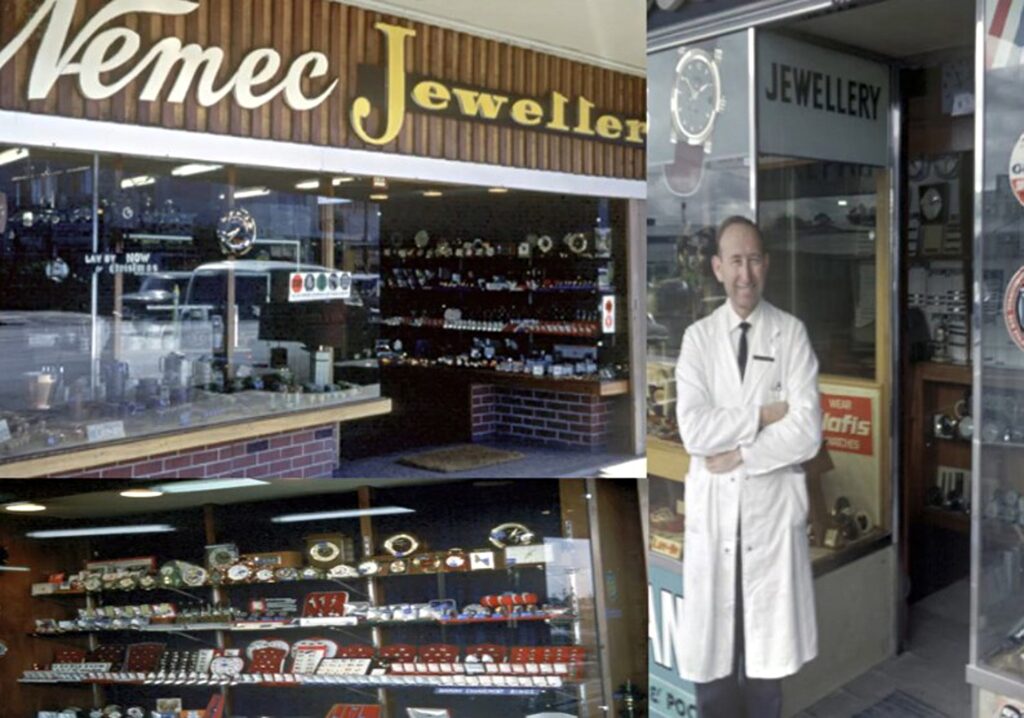
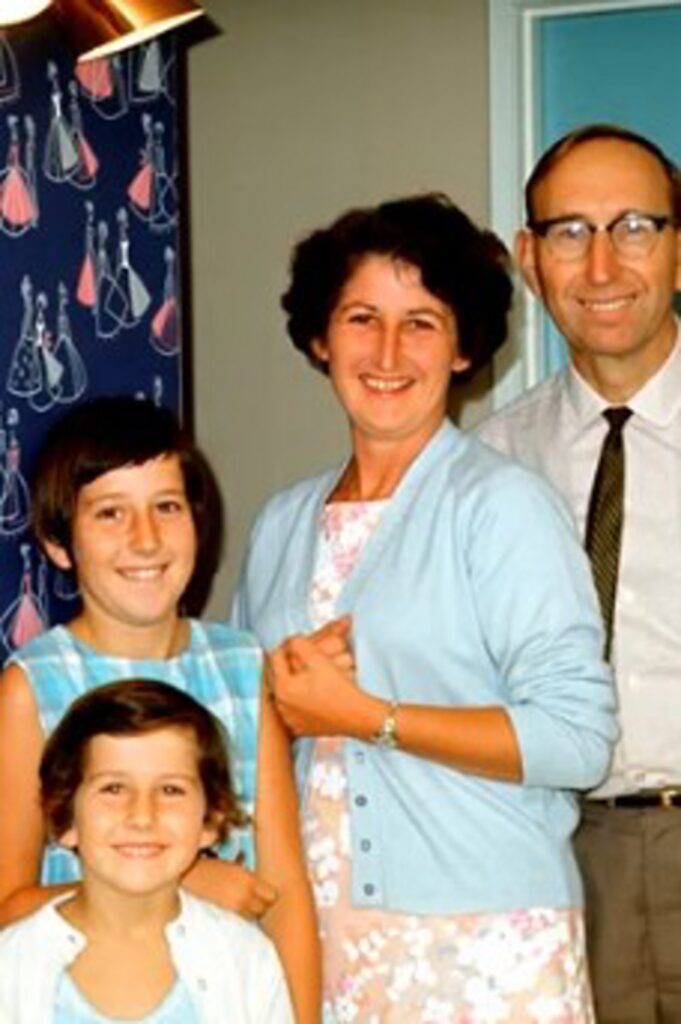
After several months in Bonegilla, learning English and working in the camp I was released and found watchmaking work in the nearby town of Aubrey. Eventually I moved to Sydney, opened a small kiosk in City Centre, and I put into practice my watch making experience from Switzerland. I eventually operated a few small retail shops and worked with another Czech who was importing watches and jewellery. I was involved in the Czech community in Sydney and didn’t really make any friends with Australians until I met my New Zealand wife. It was through her that I went to dinners and parties with Australians and we built a nice home in a Sydney suburb and I bought land in Northern Beaches region where my wife had relatives. I was also running a night club in Kings Cross with a group of Czechs. It was a good cash business, but it began to struggle financially and I left the partnership. By this stage we had our first child and my wife encouraged me to start a new life again in New Zealand. I was enveloped in her family, and we enjoyed many happy times. We had another daughter and bought a nice home in an area that reminded me of Vir with its forests and hills. I opened watchmaking and jewellery businesses. I also bought and sold real estate as additional income. I joined the Czechoslovak club in Auckland but there were political differences that I did not enjoy. I rather preferred was visiting my then Yugoslav friends and enjoyed their wine in their vineyards.
Finally, I had the opportunity to visit my homeland with my wife in the early 1990s. I went back to Vir and searched out my old school friends and stayed in touch with them for a few years. My wife said she had never seen me talk so much! However, there was still a large hole in my life. I advertised first in Brno and later in Praha for resistance comrades that might remember me. I did not receive any reply.
Vlastislav Nemec died on 20th August 2014 from advanced Alzheimer’s disease. In Auckland, in a house that looked out to the sea.