


Pavel Šatný
I was born in June 1948 and raised in Prague, a city I loved deeply. My childhood was peaceful, leading to a toolmaker apprenticeship where I graduated with distinction before studying engineering. My world was safe, shared with my parents and older brother. Then came the Prague Spring of 1968. Alexander Dubček introduced “communism with a human face”—free press and markets. He was our hero, and we felt an intoxicating sensation of true freedom.
But on August 21, 1968, that dream was shattered. I was preparing for a student hop-picking trip as a “medic”—a job I had no training for, armed only with a bag of plasters to impress girls with blisters. At six in the morning, a friend knocked on my door: “Pavel, the Russians invaded us”. It felt completely unreal.
We ran toward the street of the Czech Radio station near Wenceslas Square. Soviet tanks were arriving at the top of the sloping street as people built barricades from buses and trams. Suddenly, someone released the handbrake of a stationary lorry. It rolled down, crushing people. Seeing dead bodies, blood, and utter mayhem was terrifying for a student who had never heard a gun fired. Angry and reckless, I climbed onto an armored vehicle packed with Soviet soldiers and shouted in Russian, “You’re just like the fascists!” A soldier drew his pistol, but the other soldiers pounced on him and forced his arm down to keep him from killing me. Moments later, an ammunition truck exploded nearby, sending shrapnel into my friend’s arm. On Wenceslas Square, tanks fired directly at the National Museum, mistaking it for the radio station.
The atmosphere grew darker, culminating in the tragic funeral of Jan Palach
The invaders took over everything. Back home, my friend and I wondered how to fight. Remembering Cuba’s bearded revolutionaries, we decided on our own protest: we made posters overnight that read: “Don´t shave until the Russians go”. While hanging one near my school, soldiers fired right over my head, and masonry crumbled around me.
The atmosphere grew darker, culminating in the tragic funeral of Jan Palach, a student two months younger than me, who made himself a human torch to protest the occupation. As the silent crowd marched, I realized I had to leave.
I decided to flee to Britain. I wrote to Vera Traill, a 75-year-old White Russian lady in London. Speaking no English, I translated word-for-word using a dictionary, accidentally writing, “I shall not molestation you”. Despite this, she helped me get a visa and accommodated me.
After queuing overnight in Prague for transit visas, I packed my sleeping bag, shorts, and very little money. My mother baked me some traditional “buchta” cakes, waved goodbye, and said, “Pavel, come back”. I replied, “See you Mum, I won’t be long”. It took ten painful years before I could see her again. I hitchhiked with a handmade sign reading “Czechoslovakia”. In Germany, American soldiers gave me a lift, though I couldn’t understand a word. In France, some young boys drove me to La Touche, near Calais—and ate all my mother’s cakes. Standing on that beach, looking at the endless sea for the first time, I wondered what kind of future lay on the other side.
In London, I worked in an Italian restaurant. To save money, I walked from Putney to Piccadilly to my language school, occasionally splashing out an extra half-penny on cakes with raisins. Eventually, I saved enough to buy a cheap, battered Škoda car. One day, I played tennis with a Spanish professor. Because I beat him, he offered me a holiday in Spain. I hitchhiked through Brussels, Paris and Avignon to San Sebastian, Barcelona and Pamplona, where I fell asleep in a park and woke up among running wild bulls. It was a great holiday, but when I returned I found that Vera’s house had burned to the ground. I had lost everything.
I moved to Horsham in South England to work in a Swiss factory, where I met my stunning blonde wife, Monica, at a party. Desperate to leave factory life, I had a crazy idea: I wanted to become a photographer. I designed business cards before I even owned a camera, eventually buying a cheap Praktica—a rubbish camera on par with my Škoda.
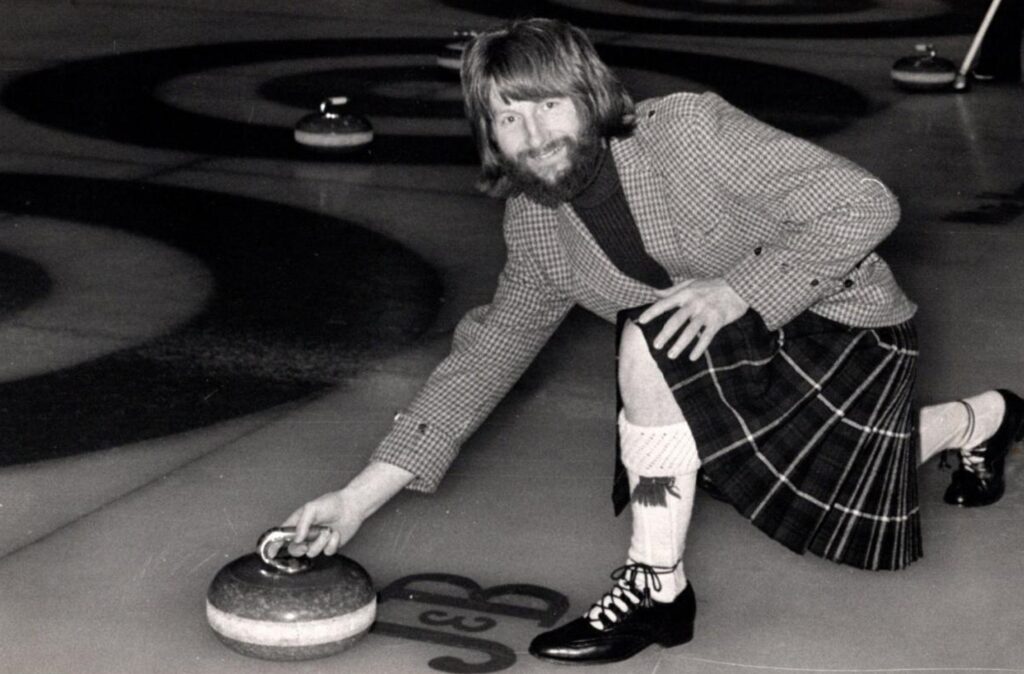
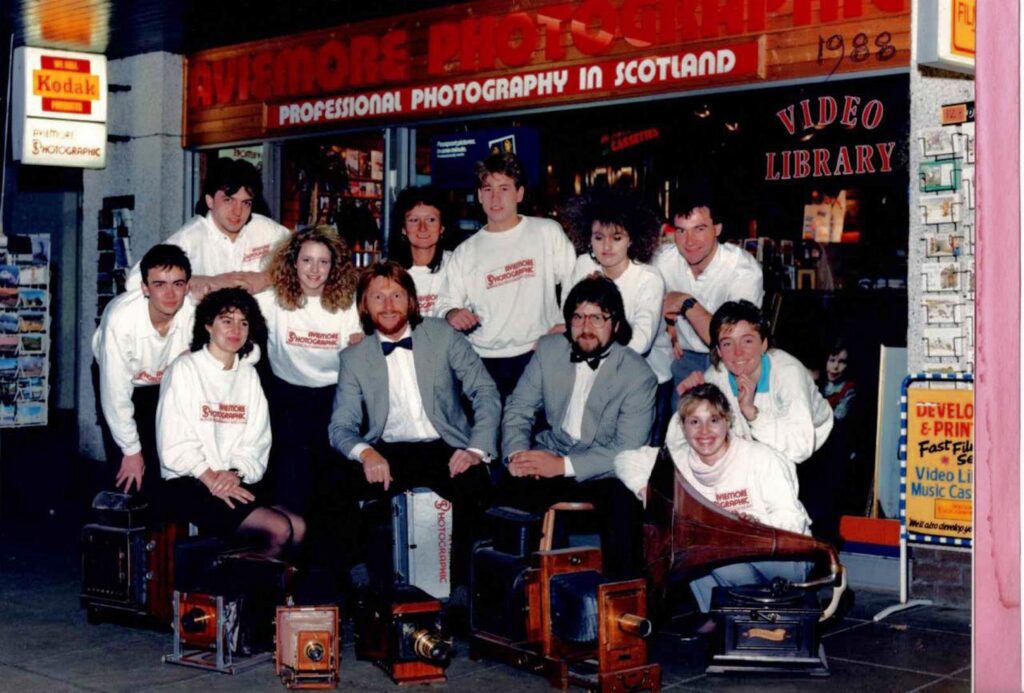
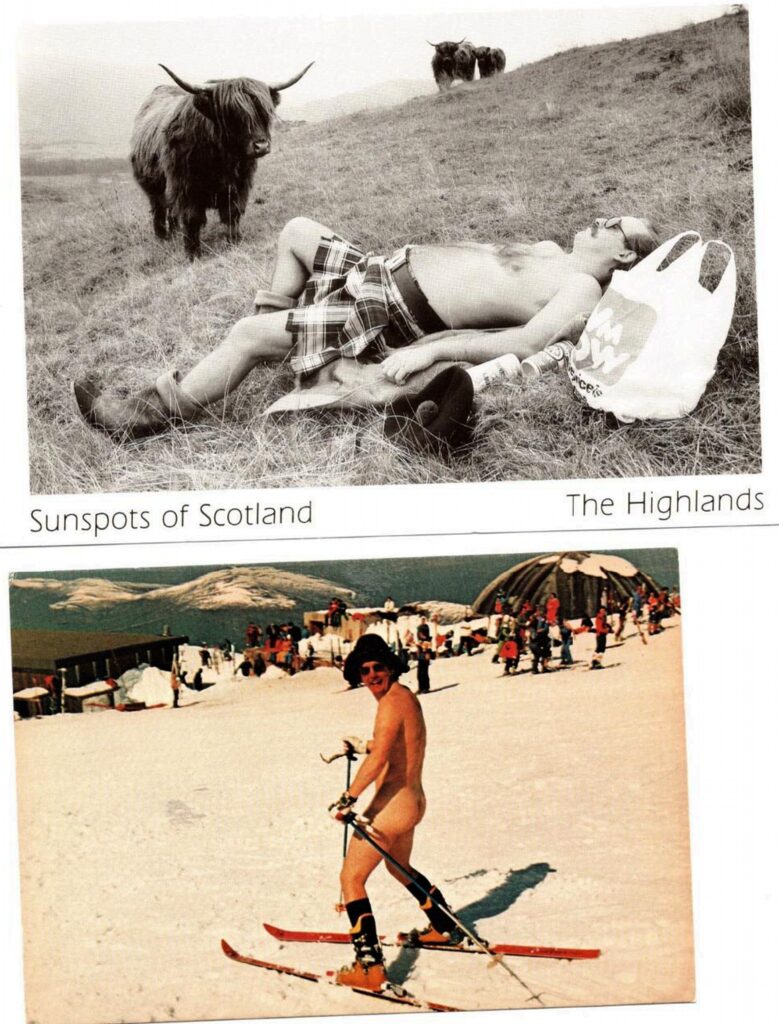
I drove north to Aviemore, Scotland, sleeping in the changing rooms of the ice rink for a couple of nights. Denied a ski school job, I pulled pints at the Deerstalker bar. Aviemore back then was like a big family. My boss there inspired my first major photographic success: we convinced a skier to streak naked down Cairn Gorm. I made postcards of the shot, and they sold like hotcakes. Soon, I became a ski instructor. I still couldn’t ski, so I skied beside an Austrian instructor named Norbert, copying his movements exactly. Monica and I married, initially living in a caravan, and I opened a small photographic shop in an empty corner unit, displaying empty boxes in the window.
The business grew rapidly. Stewart, a qualified photographer from Glasgow, joined me and kept me out of mischief for thirty years. When my daughter Lenka was a baby, I babysat by putting her in the shop window to wave at customers. Eventually, we moved to a larger shop on the High Street, hiring a full team. My career allowed me to photograph many famous figures, from Ronald Reagan and Tony Blair to F.W. de Klerk and British royalty.
I would add that it is an even greater stroke of luck to live in the Scottish Highlands and be part of this wonderful community
My most dangerous adventure was dealing with real-life gangsters. After a job in Inverness, I drove to Glasgow to tile my daughter’s flat. While buying tiles at B&Q, my car was broken into and over £15,000 worth of camera equipment was stolen. I printed posters offering a £1,000 reward and drove around Black Hill, a notoriously tough, high-crime area of Glasgow. I saw young boys kicking a football and asked for “Cammy,” the rumored thief. They walked away laughing, but I jumped out, pleading, “Look, no police, just me. I need my cameras”. One boy was Cammy’s brother. Soon, Cammy and his massive minder sat in my car. I told them, “Chaps, I know your situation is desperate. Maybe I would do the same”. Cammy liked me. “You are a f……. nice c…t,” he said. He admitted the £15,000 cameras had been sold on for just £100. Back in Aviemore, I received threatening calls from rival thugs trying to scam me. I drove back to Glasgow, found Cammy, and explained. He asked for my car’s biggest spanner, slid it up his sleeve, and chased them off, saying, “They won’t bother you anymore”. Finally, Cammy called: the cameras were ready. At 11 pm, I drove to a dark park near a golf course. I was terrified, my hands shaking so much at the petrol station that I spilled fuel all over myself. Two hooded men approached. I insisted on dealing with only one. He kept his hand inside his jacket menacingly. I handed over the cash, and he returned my pristine cameras, meticulously wiped of fingerprints. “You see, you should have trusted me,” the thief said. I put my foot down, the engine screamed because I forgot to put it in gear, and I sped away.
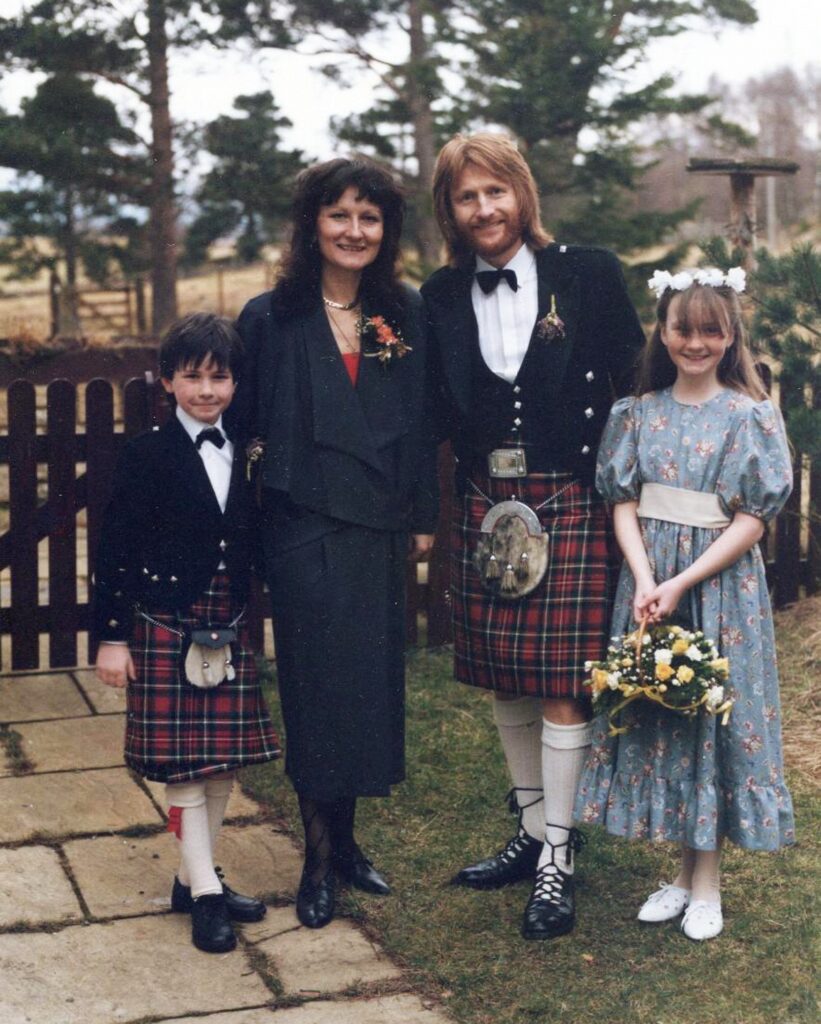
Eventually, the digital era arrived, and we retired those cameras. But today, looking out over the beautiful Highlands, I feel incredibly lucky. Marrying Monica was the best decision of my life, and together we raised our beautiful children. I lost my parents and my brother far too early, but Scotland became my true home. As Andrew Marr said, it is a brilliant stroke of luck to be British. I would add that it is an even greater stroke of luck to live in the Scottish Highlands and be part of this wonderful community. From a penniless hitchhiker to a Highlands photographer, my journey has been a long one, but I wouldn’t change a single step.