


Jan Dlouhý
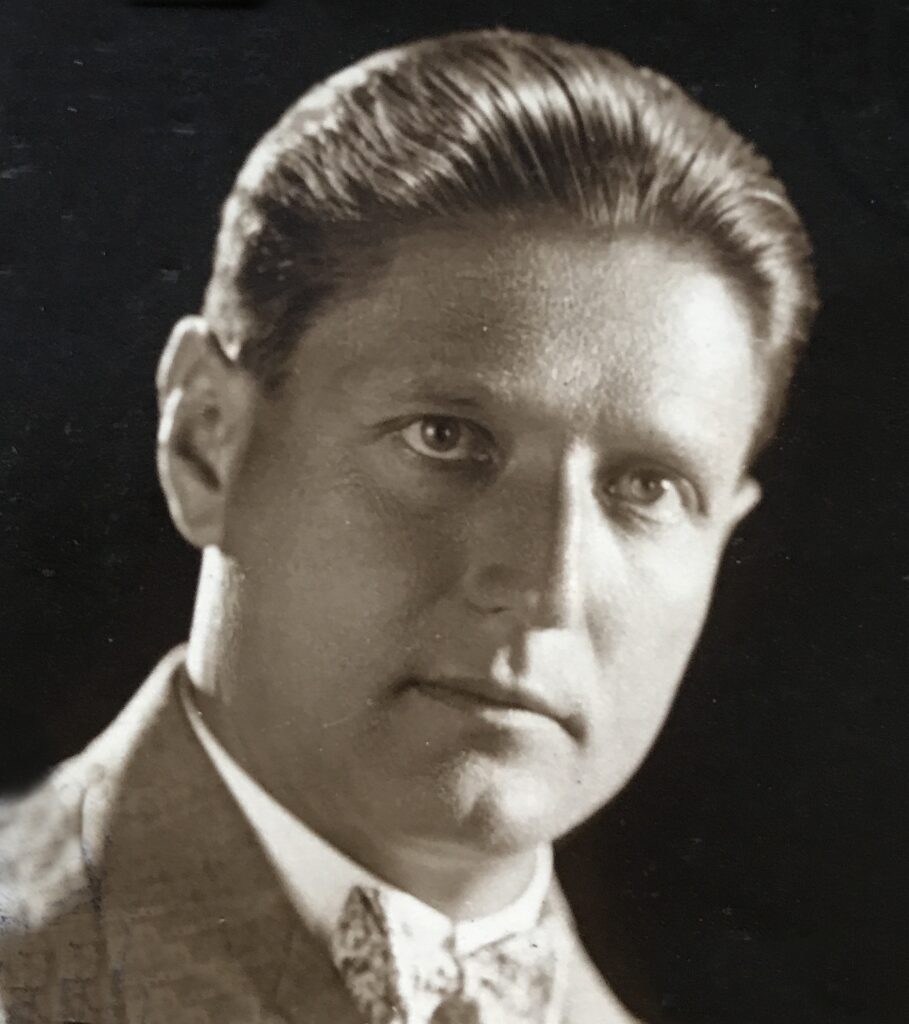
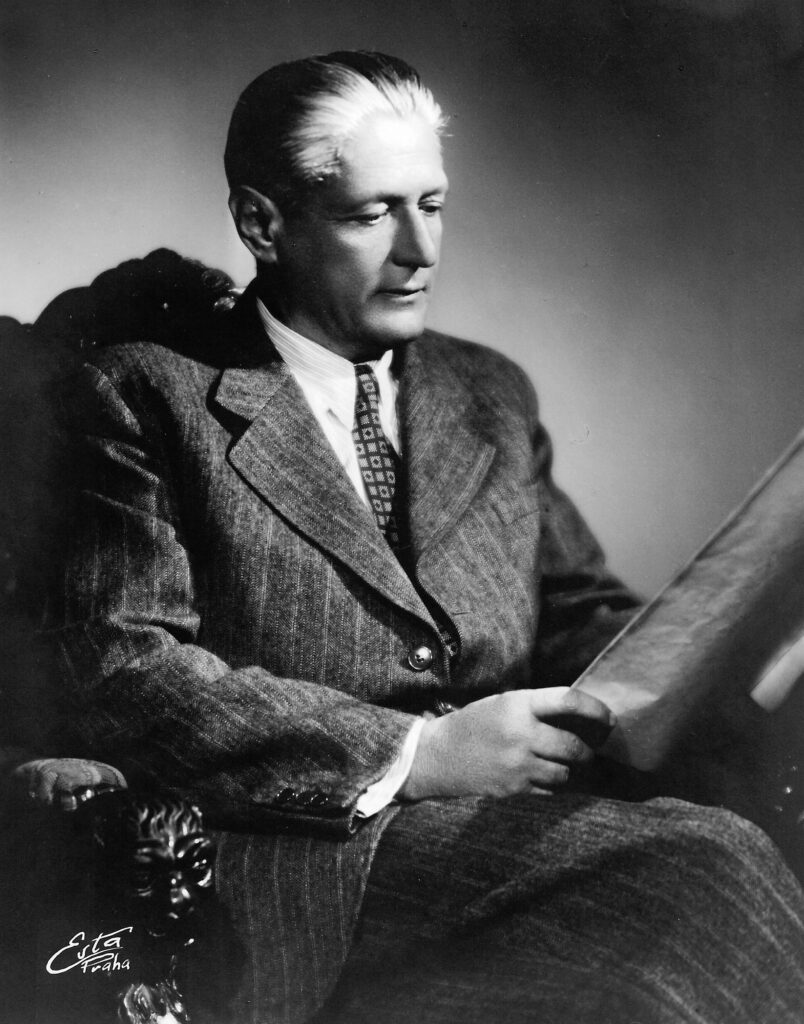
I was born on February 20, 1933 in Prague, Vinohrady, with the symbolic golden spoon in my mouth. My father, Dominik Dlouhý, was an extraordinary and enterprising man. Although he was expelled from the grammar school in Rakovník for bad behavior in his youth, thanks to his foresight and business acumen, he built a vast business empire in interwar Czechoslovakia – he was the owner of the Czech Coal Company, coal mines, travertine and marble quarries, the Slaboch transportat company and the international trading company Transexport. My mother, Anna (father called her Naďa), rose from a secretary to a procurator and his life partner in the company.
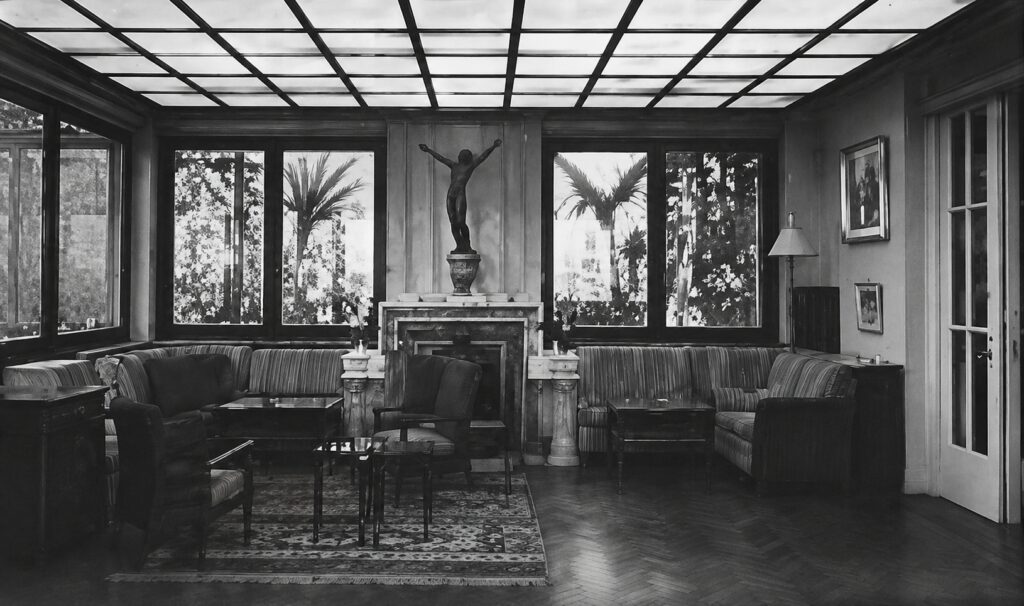
The first six years of my life can truly be described as a golden era. We lived in a large villa in Barrandov with a breathtaking view of the Vltava River. Our neighbor was Miloš Havel, the director of the film studios. We had a driver, a cook, a gardener and maids. The children’s floor had its own exercise room with a glass roof, table tennis and an electric train. The house had a winter garden with palm trees, exotic birds, a pond with goldfish and even a state-of-the-art air raid shelter, built deep underground, which a few years later saved a dozen lives during the May Uprising in 1945. The villa included a large, terraced garden with a marble swimming pool and an orchard. We spent summers in the hunting lodge in Kersko near the Labe, which my father rented. The Prague elite and political leaders, including General Jan Syrový, a national hero and our godfather, would gather in the cabin there and on hunts. My father taught me early on to respect nature, safety when shooting and a love of motoring. As a boy, I was allowed to sit behind the wheel of an old Walter or admire our twelve-cylinder Tatra convertible with a police siren. However, this carefree world of well-being was suddenly overshadowed by the Nazi threat.
After a dramatic voyage around Africa and crossing the stormy Atlantic, we finally sailed to Scotland in February 1942
As soon as World War II broke out in September 1939, my father knew we had to leave. He was high on Hitler’s wanted list. With a bribed permit from the Gestapo and a passport in my mother’s maiden name, we crossed the border in our Škoda and continued to Zagreb. Our incredible six-year journey began. We escaped from Yugoslavia before the German invasion in the spring of 1941 via Belgrade to Greece and Turkey. From Istanbul, our journey continued through Syria to British Palestine. We spent several months in Jerusalem. For the little boy from Barrandov, it was a completely different world. We lived with the Polish Jewish Joles family, went to a French religious school in uniform, and experienced constant shortages of basic food and the threat of Rommel’s advancing armies. At the end of 1941, my parents decided to embark on a long and dangerous journey to Great Britain. Because the Mediterranean Sea was impassable, we had to sail around the whole of Africa. Onboard the old steamers Franconia and later Arundel Castle, we experienced practice sirens, watched the rough sea and sky with concern for enemy submarines and fighters, and at Christmas we anchored in Durban, South Africa. My father even got a spruce tree in Mombasa, Kenya, and had it hidden in the ship’s cooler so that it would conjure up a real Christmas in our cabin on Christmas Eve. After a dramatic voyage around Africa and crossing the stormy Atlantic, we finally sailed to Scotland in February 1942. In Great Britain, my brother and I were sent to the Czechoslovak State School in Hinton Hall and later to the Welsh town of Llanwrtyd Wells. These were years spent in cold boarding schools, on a rationing system, but also in an environment of boyish mischief, football, scouting and first loves. In the meantime, my father worked in London at the Ministry of Finance in exile, where he was put in charge of preparing and printing new Czechoslovak currency. In the summer of 1945, the printed banknotes were safely transported to Prague under father´s personal supervision on board British Lancaster bombers.
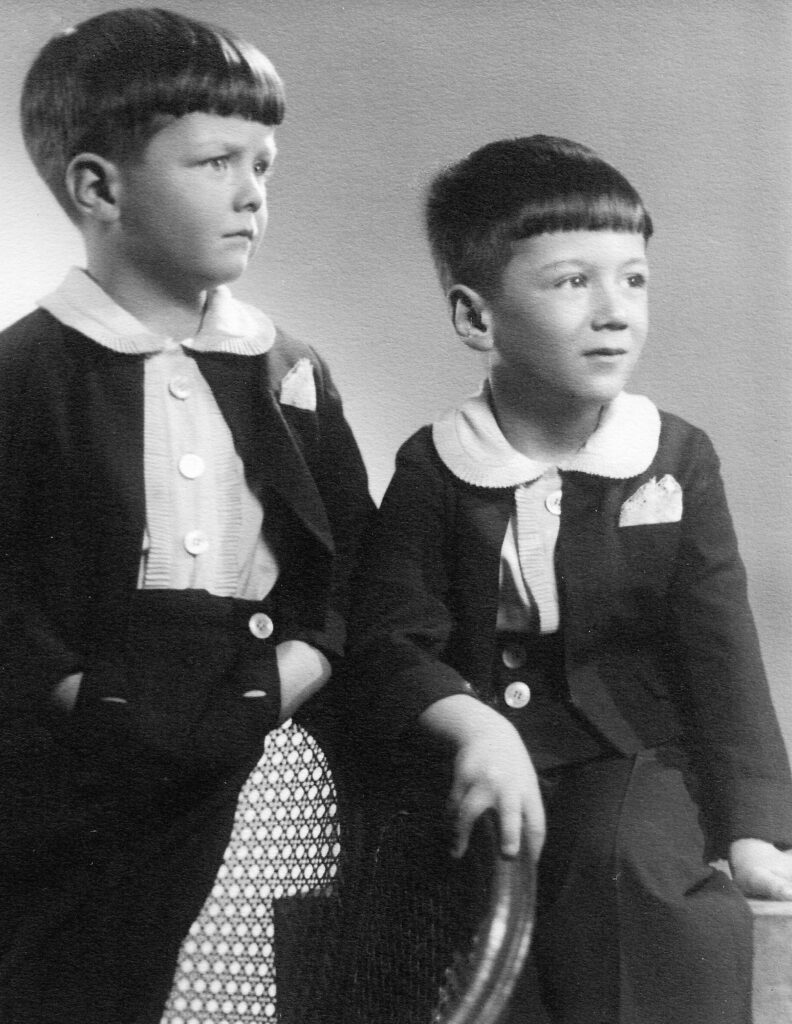
We arrived in the liberated republic in September 1945 on board an American Liberator aircraft. The return to Barrandov was moving – our villa and winter garden were intact. Even the stolen paintings and family silver were later miraculously found in Bavaria. We believed that our lives would return to their old ways. I enrolled in the Neruda Real Gymnasium in Malá Strana, joined the Scouts, rowed on the Vltava River, skied in the Giant Mountains and enjoyed my youth. However, freedom lasted only three years. After the Communist coup in February 1948, my father’s businesses were nationalized and in April he was even arrested by the State Security for several days. Although he was released thanks to the intervention of old acquaintances, it was clear that we had to disappear. My father did not hesitate. During the summer of 1948, he systematically traveled around the border area, burying family valuables in secret places and preparing the ground for our second escape. On October 16, we left Prague, telling everyone that we were heading for a vacation in Slovakia. In reality, we took the train to South Bohemia and, with the help of smugglers, crossed the Šumava border into Bavaria on foot at the village of Strážný in the cold dawn. We only had small suitcases with the most necessary clothes and jewelry hidden in the lining of the coat. This was followed by months spent in refugee camps and hotels run by the American army in Regensburg and Bad Homburg. In December 1948, we returned to London. But Europe was devastated and my father was looking for a new future for the family.
Canada was our first choice. In August 1951, we sailed to Canada on the TSS Canberra and settled in Montreal. While my brother Dominik, a year older, had a successful career in finance, I started studying chemical engineering at McGill University. Studying became my passion. There were also many student clubs at the campus. I joined the shooting, tennis and skiing clubs, which came in very handy for my later life in Canada.
My father was exploring possible business opportunities, and one day I joined him on his way to Ottawa for a meeting with representatives of the Ministry of Industry. Opportunities presented themselves, we even visited an empty factory, but starting a chemical plant required a lot of capital, and my father had none. Thus, he had to abandon the idea. He spent most of the next few years designing and patenting more efficient parking garages based on the paternoster principle. It was basically just work for work’s sake for him; he did obtain patents, but he found no commercial interest in them. He went for long walks, sketched at his drawing board, and read a lot. It was a sad time for such an extraordinary man – he never complained, but he had become somewhat withdrawn and even more reticent than before. He only became happier later, enjoying four grandchildren.
under the leadership of Professor Bill Gauvin, I developed the groundbreaking AST (Atomized Suspension Technique)
In 1954, I married the love of my life in London, Rosemary Lokay, who became my faithful companion in life and science. I successfully defended my doctorate at McGill University in 1957. I worked at the Pulp and Paper Research Institute of Canada, where, under the leadership of Professor Bill Gauvin, I developed the groundbreaking AST (Atomized Suspension Technique) technology for the thermal treatment of wastewater and industrial sludge. At the end of 1958, I accepted an offer from the American concern American Cyanamid in Niagara Falls and began a successful long-term career in research, development and management of the chemical industry in North America.
Jan Dlouhý died in 2023. A decade earlier, his brother Dominik, who became a prominent financier and director of the Montreal Stock Exchange, passed away. Jan’s unpublished memoirs with interesting details about the Dlouhý family and its Prague businesses are in our possession.